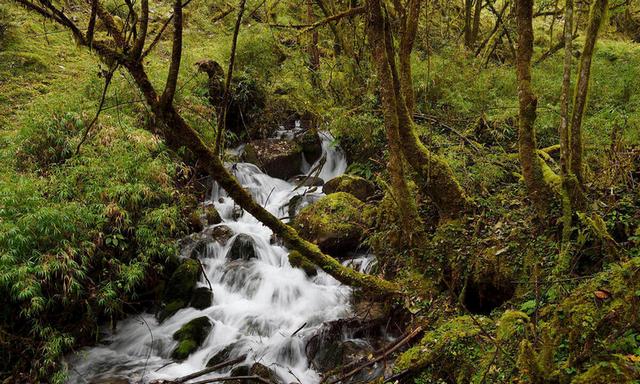
Over the last few months, countries around the globe have experienced wildfires which have devastated large areas of woodland. In order to help reforest the degraded landscapes, scientists in Spain and Portugal are turning to fog as a solution:
Monarch butterflies provide an essential pollination service during migration but climate change, deforestation and land conversion have contributed to their population declining by almost 80% in just two decades. Now, it’s crucial we restore the Monarch’s habitat:
Climate change and nature loss are two sides of the same coin. Because as we lose nature, we lose the ability to help preserve and regulate our climate, and this then fuels the climate crisis. So what does that mean for people and nature?
From lemurs to roadrunners to reptiles, many animals are known to soak in the rays of Earth’s closest star. But it’s not just to stay warm. Across the world, animals both big and small bask in the sunshine for reasons we’re only just beginning to understand:
Ever heard of a sponge city? Yes, they’re real – and they can be a great way for a city to adapt to more extreme temperatures, like excess rainfall. Auckland, New Zealand, was recently named the most spongy global city – here’s how it’s leading the pack:
WWF BELIEVES IN PEOPLE AND NATURE THRIVING TOGETHER | VISIT PANDA.ORG TODAY
Media attention and coverage: Novi Radio Sombor (All copyrights of any further publication of this section and its entire content posted on the portal of Novi Radio Sombor without the request and permission of any party or individual are protected and retained by all relevant legal mechanisms) accompanied by: Srdjan Acanski, B.Sc