wwf@
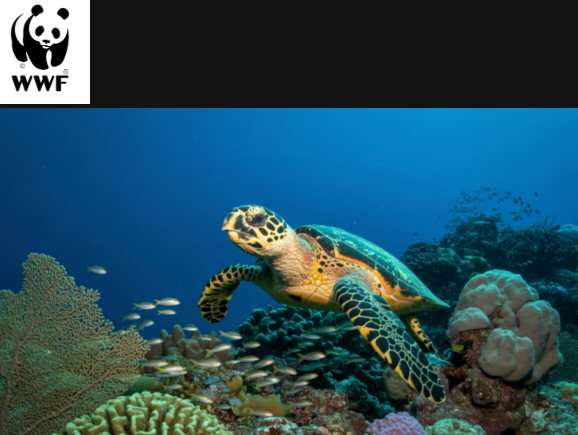
Did you know that coral reefs protect millions of people from flooding and powerful waves every year? This is one of the most striking examples of a nature-based solution—a strategy where we partner with the natural world to tackle the climate crisis.
When we protect and restore natural ecosystems like forests, wetlands, and coastlines, the impact is transformative:
-
Carbon Sequestration: Trees act as the planet’s lungs, absorbing vast amounts of carbon from the atmosphere.
-
Storm Defense: Mangroves serve as natural barriers, breaking the force of storms before they reach our inland communities.
-
Carbon Vaults: Peatlands are unsung heroes; they store more carbon than all the world’s forests combined.
Why It Matters
Researchers estimate that these natural strategies could deliver up to one-third of the emission cuts required to meet our global climate goals. Beyond carbon, nature acts as a global thermostat, cooling our planet and maintaining a stable climate.
A Win-Win for Everyone
The beauty of these solutions is their „co-benefits.“ When nature thrives, we see:
-
Cleaner air and water for everyone.
-
Healthier communities with increased food security.
-
Thriving wildlife and preserved biodiversity.
By investing in nature, we aren’t just protecting the Earth—we are securing a safer, more resilient future for ourselves.
Key Vocabulary Used:
-
Sequestration: The process of capturing and storing atmospheric carbon dioxide.
-
Resilient: The ability to withstand or recover quickly from difficult conditions (like extreme weather).
-
Biodiversity: The variety of life in the world or in a particular habitat.
-
Co-benefits: Positive effects that a policy or measure aimed at one objective might have on other objectives.