WWF
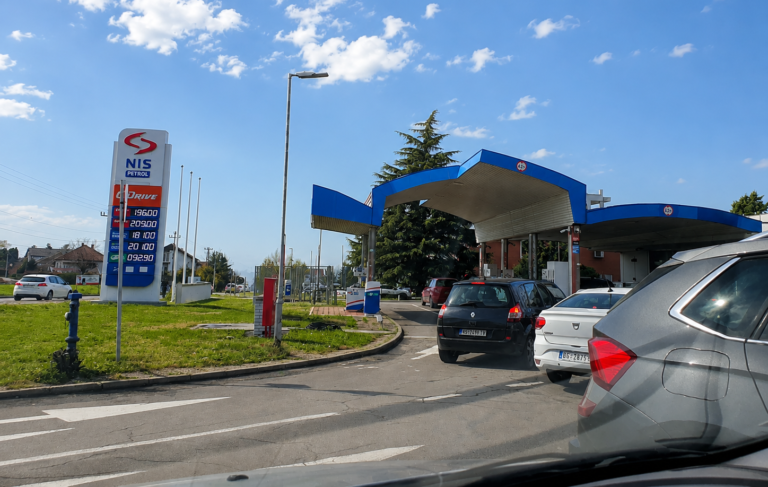
- For decades, the global economy has been held hostage by the „fossil fuel cycle.“ A geopolitical tremor in one corner of the world leads to a price spike in another, hitting the pockets of everyday people through inflated grocery bills and heating costs. We’ve treated this volatility as an unavoidable fact of life—but the data suggests we are finally breaking the fever.
As we look toward the Santa Marta conference, the narrative is shifting from „how do we survive the next crisis?“ to „how do we build an unshakeable system?“
The New Math of Energy Security
The fundamental difference between the old era and the new is vulnerability. Fossil fuels are commodities that must be extracted, shipped, and protected. Renewables are technologies that harvest what is already there.
-
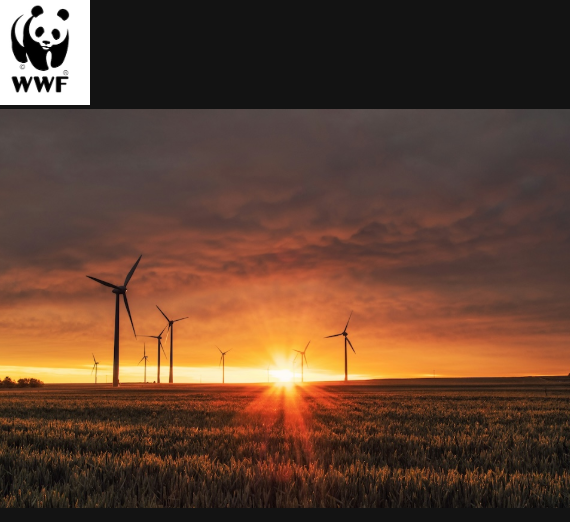
Immunity to Blockades: You cannot embargo the sun or put a price floor on the wind. Once the infrastructure is built, the fuel is free and localized.
-
The 34% Milestone: In 2025, renewables reached a critical mass, generating 34% of global electricity. This isn’t a niche experiment anymore; it is the backbone of the modern grid.
-
Economic Deflation: Unlike oil, which gets more expensive to extract as reserves dwindle, the cost of solar and wind continues to drop as technology improves.
What Governments Must Do at Santa Marta
The Santa Marta conference represents a rare alignment of environmental necessity and national security. To turn this „acceleration“ into a total transition, leaders must focus on three pillars:
-
Grid Modernization: Clean energy is abundant but intermittent. Governments must invest in „smart grids“ and long-duration storage to ensure that power generated on a windy Tuesday can be used on a still Friday.
-
Decoupling from Volatility: Policy must move toward „electrifying everything“—from home heating to heavy transport—to ensure that global oil shocks no longer dictate domestic inflation rates.
-
Streamlining Deployment: The biggest hurdle is no longer the technology, but the red tape. Permitting for a wind farm shouldn’t take longer than building it.
The Bottom Line
The age of fossil fuel vulnerability is ending because we have finally found an alternative that doesn’t just save the planet—it saves the economy from the whims of geopolitics.
„Sunlight can’t be embargoed.“
This simple truth is the most powerful tool world leaders have in Santa Marta. The transition is no longer just about being „green“; it’s about being resilient. The question is no longer if the world will move past fossil fuels, but which nations will be bold enough to lead the charge.