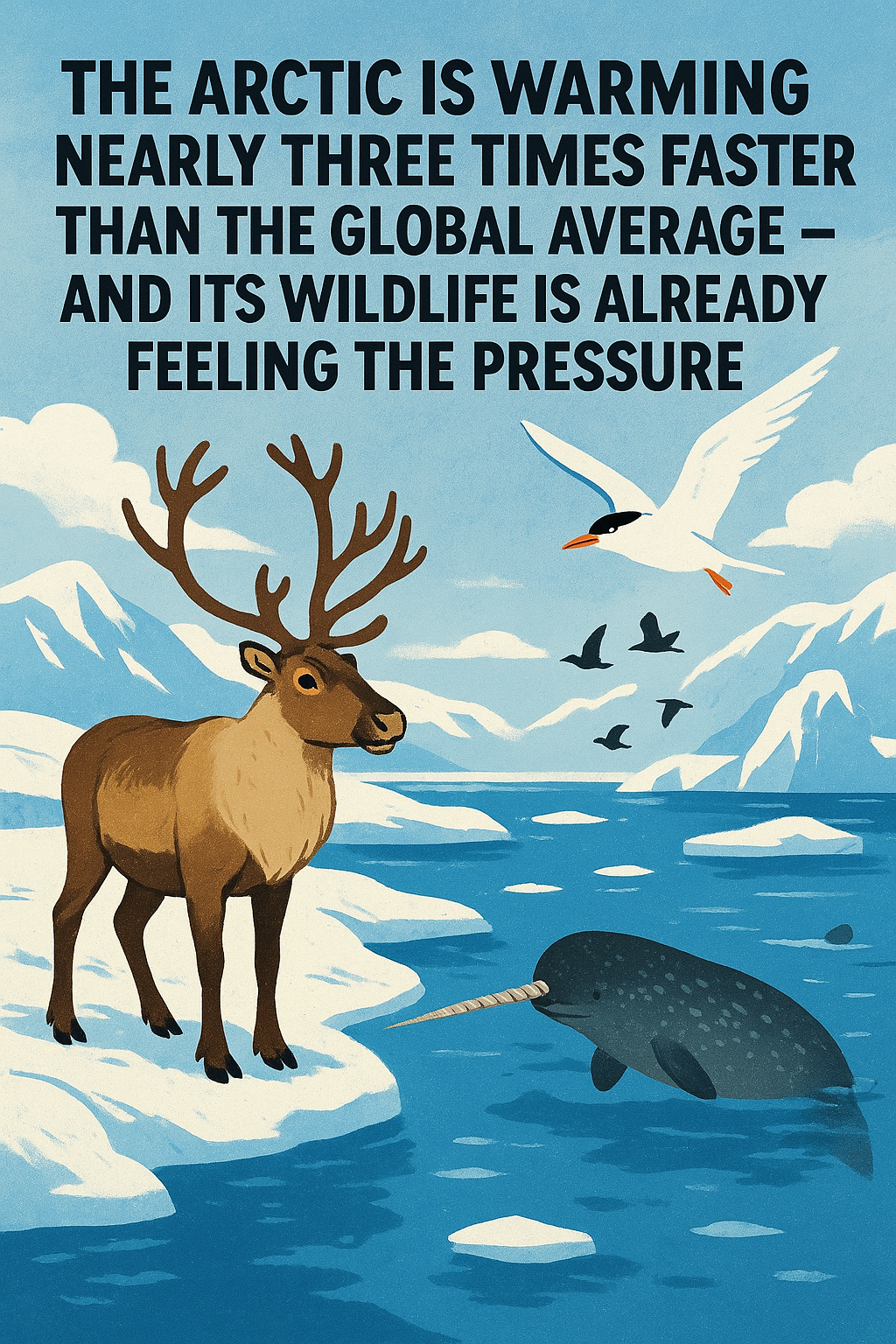
- Reindeer – vital to Indigenous Sámi culture and the Arctic ecosystem – are struggling to survive as warmer winters create icy snow layers that block access to lichen, their main winter food. Thousands have starved in recent years, threatening biodiversity and ancient ways of life.
Birds are also at risk. Each summer, millions migrate to Arctic regions like Tavvavouma, a 55,000-hectare wetland wilderness in northern Sweden. This permafrost-rich area offers a range of microhabitats – but as the ground thaws and seasons shift, food availability becomes disrupted.
WWF’s Tavvavouma Arctic Flyways project – run in partnership with BirdLife Sweden, scientists, and the local Sámi Indigenous people – is working to understand these changes and protect the area’s avian inhabitants.
Meanwhile, melting sea ice is opening the Arctic Ocean to more shipping – raising the risk of ship strikes and underwater noise pollution for whales like narwhal and beluga. WWF is mapping “blue corridors” to safeguard critical marine migration routes.
The most urgent solution? Rapidly reduce greenhouse gas emissions. Arctic wildlife may be resilient – but survival depends on protecting the ecosystems they call home, and acting now.